
Programming
Most Popular Programming Posts
Learn how edge computing processes data closer to devices, reduces latency and bandwidth use, and supports faster, scalable IoT applications across industries.
Practical steps to secure IoT devices, covering authentication, firmware updates, network protection, and ongoing monitoring to reduce vulnerabilities and improve resilience.
An analysis of whether the public internet can reliably protect digital assets, covering encryption, trust models, network vulnerabilities, and emerging approaches to security at scale.

Understand how managing the full lifecycle of IoT devices—from deployment and updates to decommissioning—boosts reliability, reduces costs, enhances security, and supports industrial growth.
Explore key network-related barriers slowing IoT adoption in Southeast Asia, including connectivity gaps, infrastructure limitations, and strategies to improve reliability and performance.

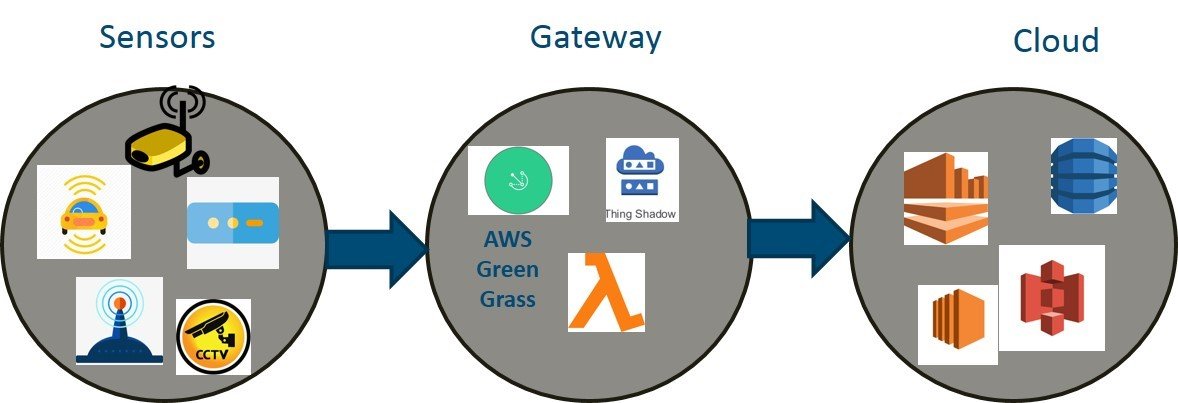
Step-by-step insights on integrating Amazon Web Services with IoT architectures to manage devices, process data, and scale without complexity across cloud and edge environments.
Learn how a clear IoT strategy strengthens supply chain security by improving visibility, tracking assets, reducing risks, and enabling proactive response to disruptions.
Discover how smart office technologies improve workplace productivity, employee comfort, and operational efficiency through connected systems, automation, and real-time data insights.
An overview of the key skills needed in the Internet of Things field, including networking, data analysis, security fundamentals, programming, edge computing, and systems integration.
Explore six ways the Internet of Things is shaping web development, from real-time data handling and interactive interfaces to API design, security practices, and cross-platform integration.
Five essential guidelines manufacturers should follow to secure IoT products, focusing on design best practices, authentication, update processes, and ongoing risk management.
Five practical insights to guide the design, security planning, and implementation of IoT systems, focusing on architecture, risk mitigation, scalability, and integration.

An overview of the key pieces in IoT cyber security, covering risk areas, defensive strategies, and how stakeholders can improve protection across connected systems.
Explore hidden health risks linked to Internet of Things technologies, including data privacy, device vulnerabilities, and implications for patient safety and care.
How machine learning can enhance IoT security by identifying anomalies, improving threat detection, and closing gaps that traditional defenses may miss.
Key considerations for launching an IoT startup, including market fit, technology strategy, security planning, business model, and team capabilities.
An overview of connected logistics and supply chains, focusing on risks, IoT visibility, secure tracking, and practices to protect goods and data throughout the network.
A look at the major security challenges in IoT, including device vulnerabilities, insecure communication, weak authentication, and strategies to improve protection.
An examination of privacy issues in smart home security, focusing on data collection, user consent, device vulnerabilities, and ways to protect personal information.
A look at the most vulnerable areas in IoT security, such as weak authentication, insecure firmware, network exposure, and how to strengthen defenses in each area.
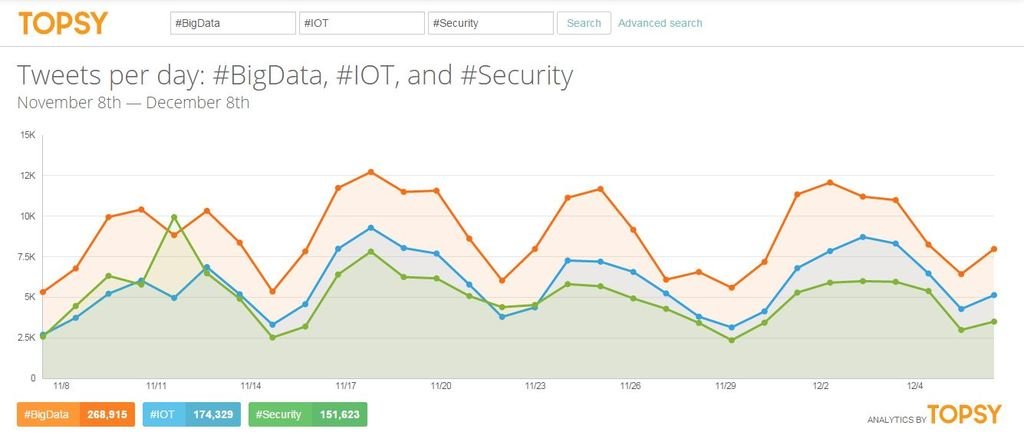
A look at how big data and the Internet of Things intersect with security, including challenges in protecting data flow, analytics, and device ecosystems.
An explanation of the factors that make Internet of Things devices attractive targets for hackers, including weak security defaults, exposed interfaces, and widespread connectivity.

An overview of development tools that automate security processes for IoT devices, including code scanning, testing frameworks, and integration of DevSecOps practices.

Explore how insecurity in connected devices is undermining trust and growth in the Internet of Things and what challenges the industry must address.
Learn how establishing a distinct digital fingerprint can improve identification and security for Internet of Things devices.
Examine why many IoT devices use diverse operating systems beyond Linux and how that impacts development and security.
An analysis of the role connectivity plays for telecom operators in an IoT driven economy where data is the primary source of value.

Explore the latest innovations and trends in IoT connectivity shaping how devices communicate and perform in modern networks.